American Drive TechCall now

Heavy Equipment ECU Cloning / Orlando, FL

Heavy Equipment ECU Cloning

Preserve supported controller data and reduce equipment downtime with a compatibility-first replacement ECU workflow.

Equipment controllersCommercial supportBench programming

The problem

A replacement ECU is not plug-and-play.

Construction, agricultural, industrial, and material-handling equipment can be immobilized by a failed engine or machine controller. A donor module may fit physically while still containing incompatible configuration or security data.

  • Machine is down with a failed controller
  • Replacement ECU is not configured for the application
  • Original module communicates only intermittently
  • Dealer replacement lead time is disrupting operations

The solution

Transfer the data that belongs to the vehicle.

American Drive Tech evaluates the equipment information, controller hardware, original data availability, and compatible donor before selecting the supported cloning or programming method.

  • Controller compatibility reviewed before work
  • Supported equipment-specific data retained
  • Controlled bench power and access used
  • Programmed donor communication checked
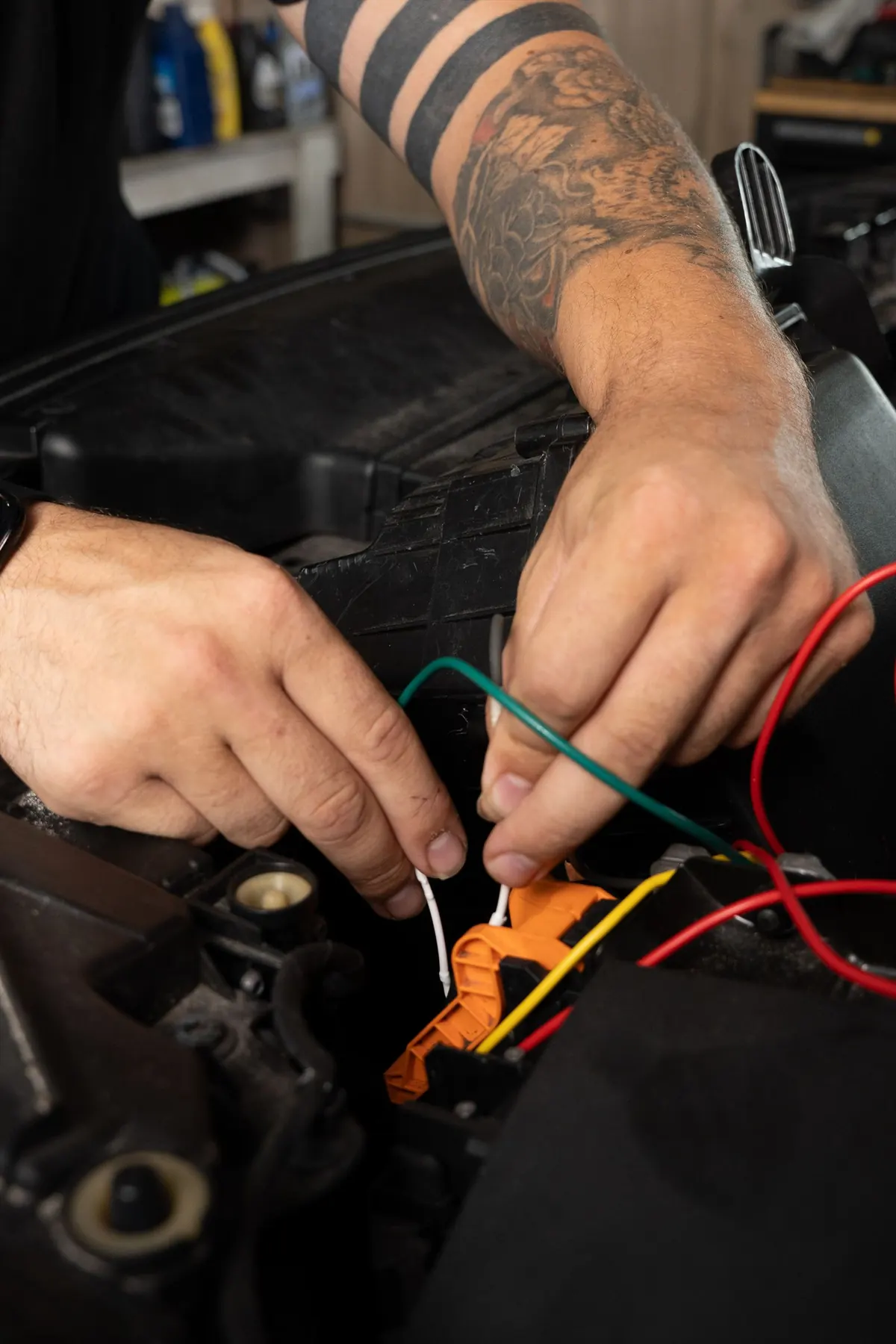
Rinat diagnosing heavy equipment ecu cloning wiring and controller data in Orlando
Vehicle-side diagnosticsMeasure first. Program only after the data path is confirmed.

Equipment controller replacement

Protect the machine configuration while replacing the hardware.

Heavy equipment ECU cloning can help replace a failed controller without discarding supported machine-specific data stored in the original module. This may include configuration, identity, calibration, or authorization information depending on the equipment and ECU family.

Industrial and off-highway controllers often have multiple hardware revisions and application-specific calibrations. A matching connector does not prove that a donor is suitable, so label information, equipment serial details, engine information, and original-module condition must be reviewed together.

The service is intended for equipment owners, field technicians, repair facilities, and fleet operators who need a disciplined module replacement path and clear next-step recommendation.

Professional workflow

Diagnosis before data transfer.

Every ECU cloning job begins with the vehicle symptoms, module condition, part-number compatibility, and the correct read-and-write method.

01

Equipment details

Provide manufacturer, model, serial number, engine information, controller labels, symptoms, and diagnostic findings.

02

Downtime context

Explain whether the machine is immobile, on a job site, or part of a fleet so the assessment can prioritize the practical next step.

03

Controlled recommendation

The outcome may be cloning, programming, controller repair, a different donor, or additional machine-side testing.

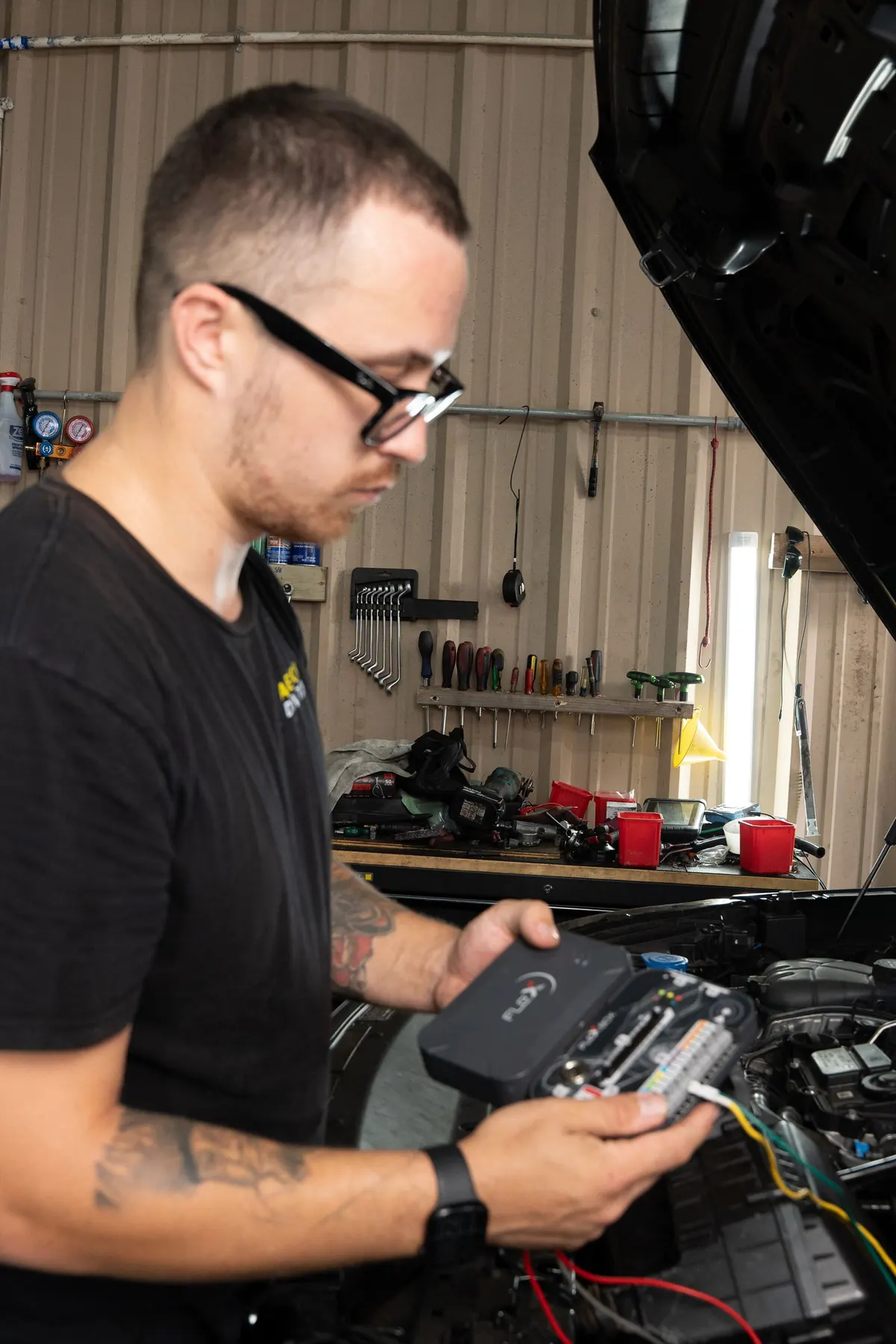
Rinat completing a professional heavy equipment ecu cloning programming workflow
Professional programming equipmentReal tools, real modules, controlled workflow.
We come to you.

Mobile ECU service

Heavy equipment ECU support for Central Florida businesses.

American Drive Tech evaluates supported heavy equipment controllers for owners, technicians, repair facilities, and fleets in the Orlando and Central Florida area.

Controller cloning is normally scheduled as bench work after photos, part numbers, and equipment details are reviewed. Field diagnostics depend on location, access, equipment condition, and the testing required.

Service FAQ

Three questions to start the repair.

What types of equipment controllers can be evaluated?

Supported engine and machine controllers from construction, agricultural, industrial, and material-handling equipment can be reviewed case by case.

Do you provide mobile heavy-equipment ECU service?

Field assessment may be available depending on location and equipment access. Module reading, writing, and cloning are normally completed as controlled bench work.

What is needed for a compatibility review?

Provide equipment make, model, serial number, engine details, clear photos of both controller labels, symptoms, fault codes, and any previous repair history.

Request service

Start with the vehicle and ECU details.

Share the year, make, model, VIN, symptoms, and ECU part numbers when available.