American Drive TechCall now

Exhaust Sound Calibration / Orlando, FL

Pops & Bangs and Burble Tune

Evaluate supported overrun sound calibration for a compatible performance vehicle, with conservative settings and the complete exhaust system considered first.

Pops and bangsBurble calibrationClosed-course review

The problem

Aggressive sound strategies can create real thermal stress.

Overrun sound calibration changes combustion behavior during deceleration. An aggressive strategy can increase exhaust temperature, accelerate wear, damage catalysts or mufflers, and create noise or road-use compliance issues.

  • Requested sound level does not match the hardware
  • Existing tune or exhaust configuration is uncertain
  • Owner wants a softer burble rather than aggressive events
  • Vehicle has faults that should be diagnosed first
The solution

Treat sound calibration as a controlled performance decision.

American Drive Tech evaluates support and explains the tradeoffs before recommending a conservative burble, more pronounced closed-course strategy, or no calibration change.

  • ECU and exhaust configuration reviewed
  • Catalyst and hardware limitations discussed
  • Sound intensity and operating conditions defined
  • No emissions-system defeat included
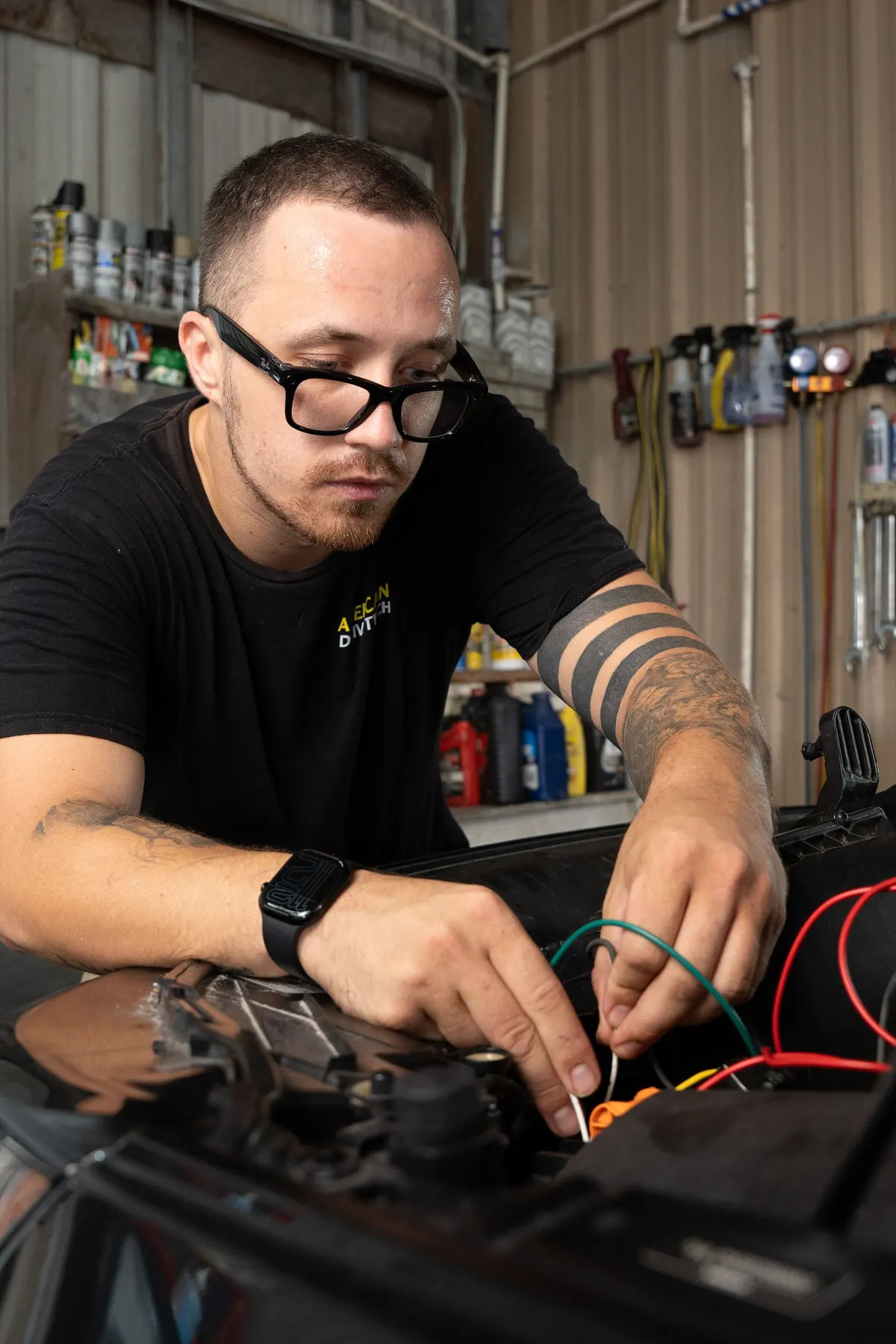
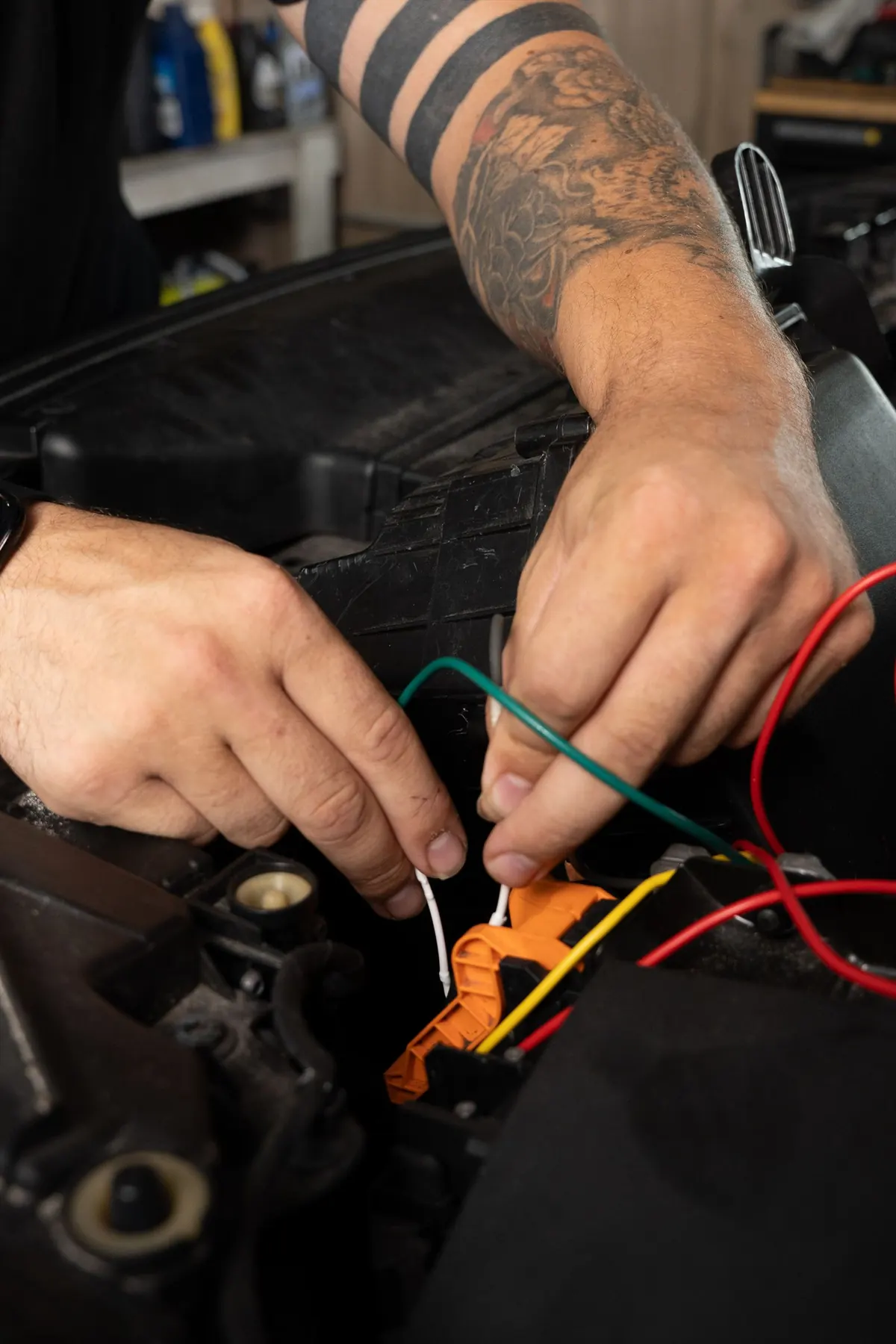
Rinat diagnosing pops & bangs / burble tune wiring and controller data in Orlando
Vehicle-side diagnosticsMeasure first. Program only after the data path is confirmed.

Controlled overrun sound

Burble and pops-and-bangs tuning are different intensity choices.

A burble calibration generally targets a softer, shorter overrun character. Pops-and-bangs strategies are more pronounced and can introduce greater heat and component stress.

Support depends on the ECU, engine, exhaust configuration, current software, and condition of the vehicle. Vehicles with catalysts or vulnerable exhaust components may not be suitable for an aggressive strategy.

This service does not include emissions-equipment removal or fault concealment. Local noise rules, road-use requirements, and closed-course restrictions remain the vehicle owner's responsibility.

Professional workflow

Hardware, heat, intended use, calibration.

Pops, bangs, and burble requests are reviewed against the vehicle, ECU, exhaust hardware, catalyst configuration, current tune, fault status, and intended closed-course or lawful use.

01

Explain the setup

Provide the VIN, engine, ECU, exhaust hardware, catalyst configuration, current tune, faults, and intended use.

02

Understand the tradeoff

More aggressive sound can increase exhaust temperature, component wear, noise, and operational risk.

03

Keep systems functional

Calibration is considered only for supported vehicles without using software to disable required emissions monitoring or hide faults.

Rinat completing a professional pops & bangs / burble tune programming workflow
Professional programming equipmentReal tools, real modules, controlled workflow.
We come to you.

Mobile ECU service

Exhaust sound calibration assessment in Orlando.

American Drive Tech evaluates supported burble and pops-and-bangs requests for Orlando performance vehicles after the ECU, exhaust system, and current calibration are identified.

Not every vehicle is suitable. A conservative recommendation or refusal may be appropriate when the hardware, fault status, intended use, or compliance context does not support the request.

Service FAQ

Three questions to start the repair.

What is the difference between burble and pops and bangs?

Burble is generally a softer, shorter overrun sound. Pops-and-bangs calibration is more pronounced and can create greater heat and component stress.

Can this damage the exhaust system?

Aggressive overrun strategies can increase temperature and wear and may damage catalysts, mufflers, or other components. Vehicle suitability must be reviewed first.

Does this service include emissions deletes?

No. This service does not include removing emissions equipment, disabling required monitoring, or hiding diagnostic faults.

Request service

Start with the vehicle and ECU details.

Share the year, make, model, VIN, symptoms, and ECU part numbers when available.